By TinTin Wynn | TinTin Wynn Photography & Films
Imagine arriving at cocktail hour with your favorite people, knowing your family portraits are finished and you have time to enjoy the celebration. Or stepping outside for a few quiet sunset portraits without wondering whether you are missing your own dinner.
Those moments become easier to make room for when you understand your wedding day flow. A thoughtful wedding timeline helps connect the plans you have made with the experience you actually want to have.
Before deciding how many hours of photography or film coverage to book, it helps to see how your day could unfold. You do not need every detail finalized to start.
Build your free wedding timeline
What is wedding day flow, and how is it different from a timeline?
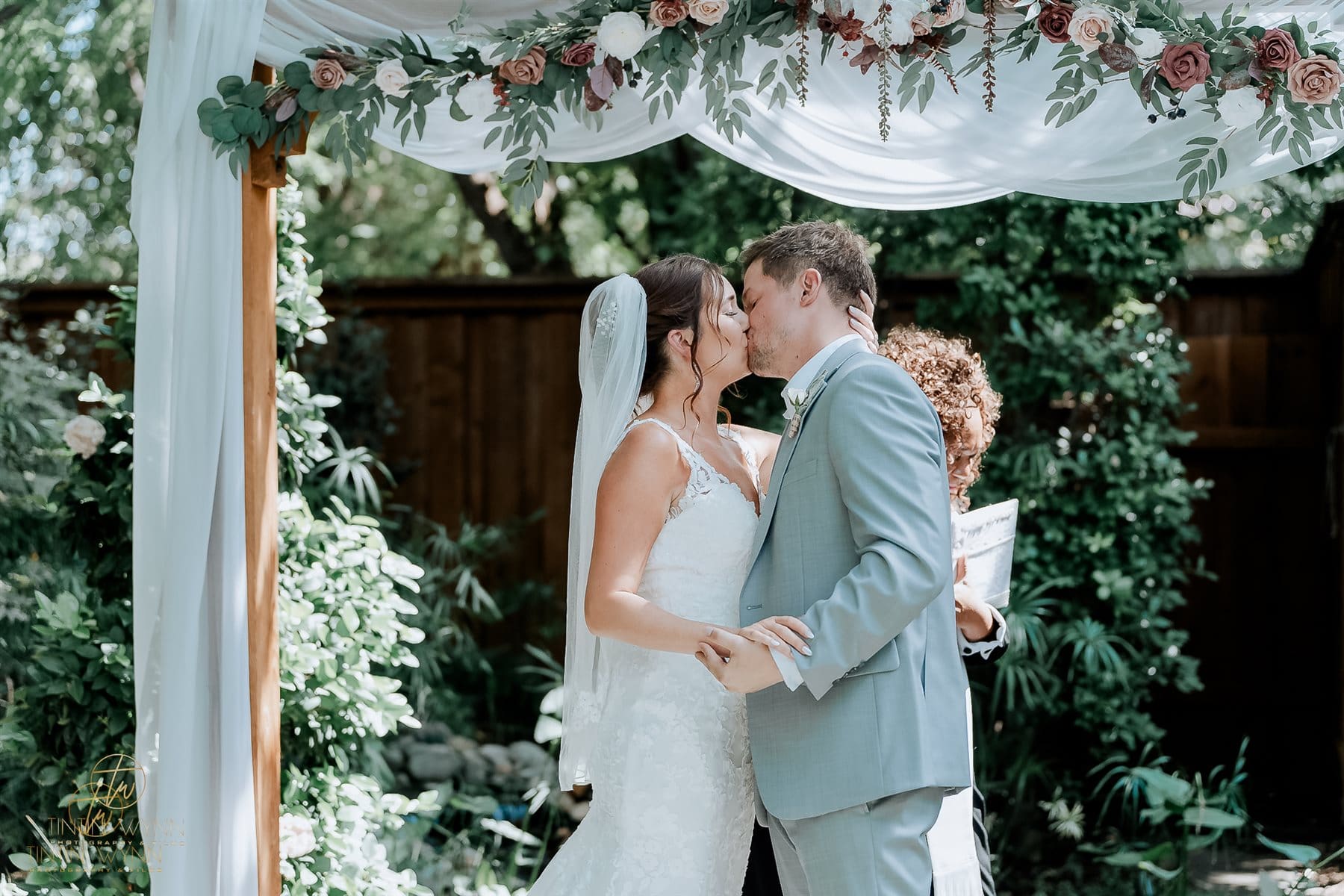
Your wedding day flow is the order and rhythm of your celebration: getting ready, seeing each other, exchanging vows, taking portraits, greeting guests and enjoying the reception. Your timeline gives those moments a place on the clock.
The flow starts with what matters to you. Do you want a private first look? Would you love to attend cocktail hour? Are you hoping for portraits at a second location, or a full dance floor before your photography coverage ends?
A useful timeline turns those priorities into a plan your wedding team can work with. It also reveals when several important things are competing for the same stretch of time.
Why a wedding timeline helps you make better planning decisions
Choose photography and videography coverage around your priorities
It is difficult to choose coverage hours when you have not decided what you want captured. Getting-ready photographs, a first look, the ceremony, family portraits, speeches and a late-night exit may span more of the day than you expect.
Map out your must-have moments first. Then talk with your photographer and filmmaker about the coverage needed to tell that story. You may discover that shifting one event makes more sense than adding hours, or that a little more coverage protects something you truly care about.
Explore how wedding photography coverage fits your budget
Give your vendors a shared starting point
Your hair and makeup team needs a realistic ready-by time. Your florist needs to know when personal flowers are needed for portraits. Your DJ or band needs to understand the reception order, and your catering team needs to coordinate meal service.
An early draft helps you ask better questions before plans become difficult to change. Your planner or coordinator can then reconcile vendor requirements, venue access and the final schedule.
Protect time to enjoy the people you invited
A wedding can feel surprisingly busy when every spare minute becomes another task. Allowing room to get from one location to another, gather family members and take a breath makes the plan more realistic.
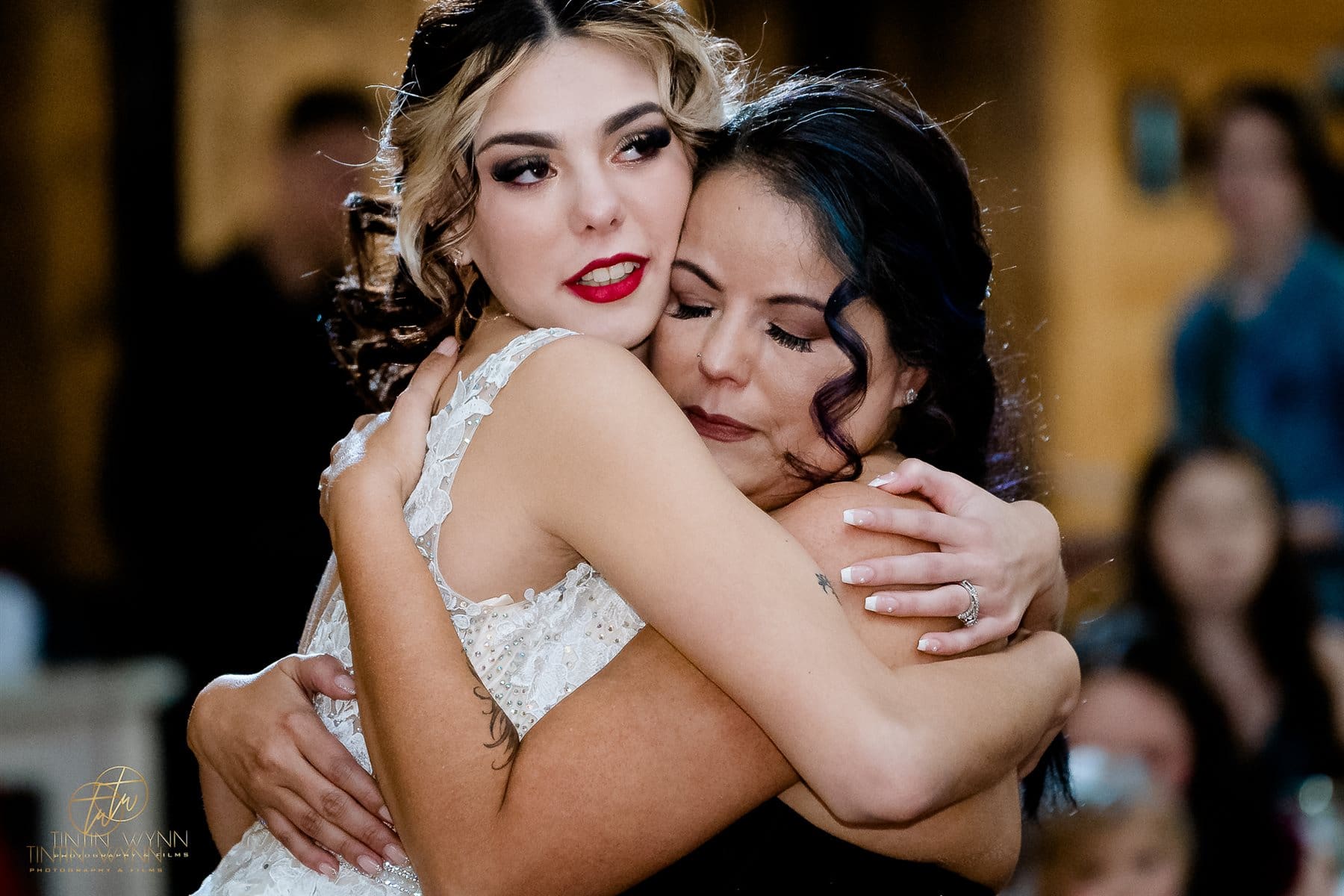
You deserve time to hug your grandparents, laugh with your wedding party and enjoy being newly married. Make those experiences part of the planning conversation, rather than hoping they fit somewhere.
The key moments to map out in your wedding day timeline
1. Getting ready and being ready for portraits
Work backward from the first event that requires you to be fully dressed. Hair and makeup finishing does not mean you are immediately ready to leave. Getting into your outfit, fastening jewelry, gathering personal items and moving to your portrait location all take time.
If getting-ready photographs matter to you, discuss which details and interactions you want included. Share the plan with everyone who needs to be ready alongside you.
2. A first look, first touch or ceremony reveal
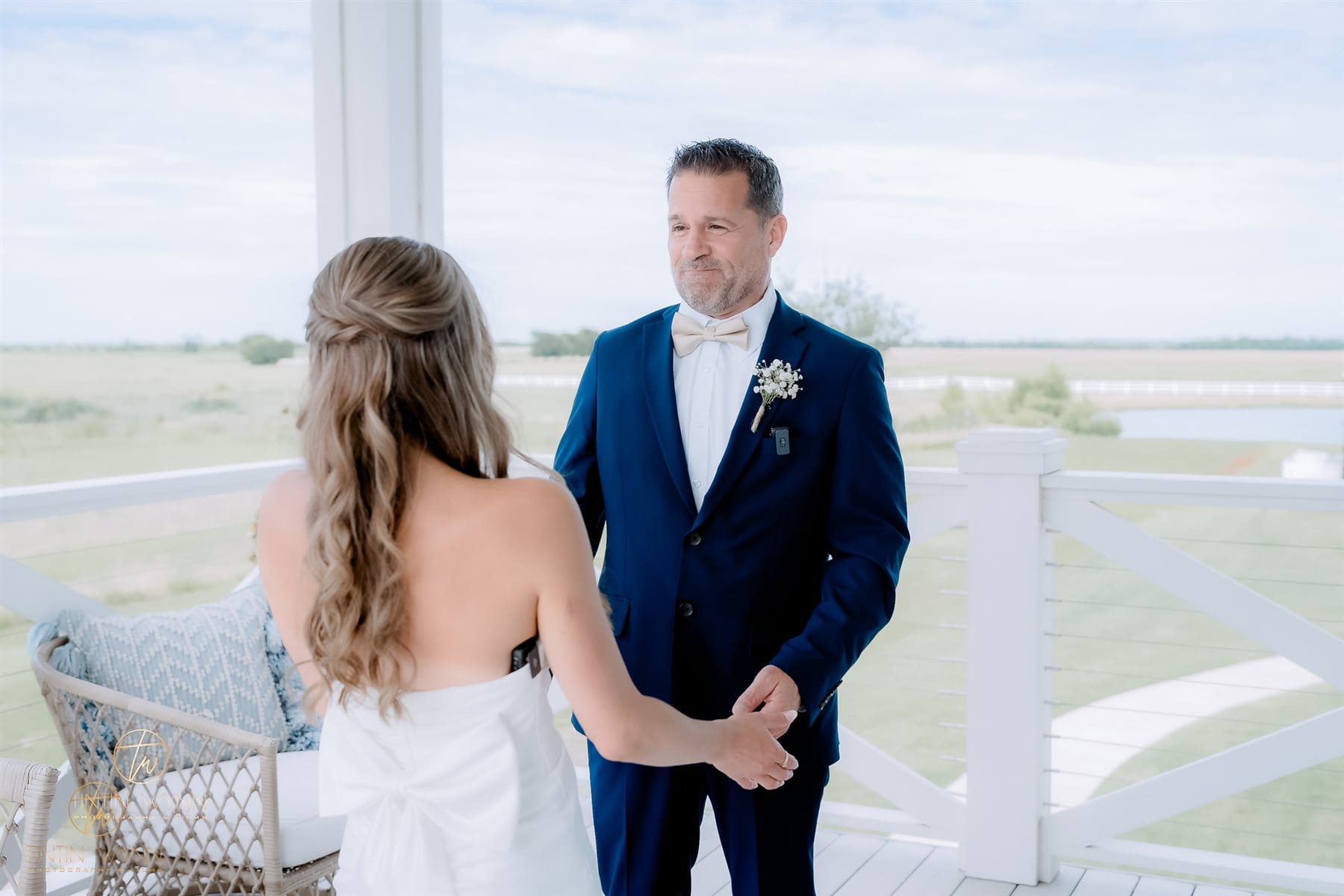
A first look can make it possible to complete some couple and wedding-party portraits before the ceremony. Waiting until the ceremony to see each other usually means planning more of those portraits afterward.
A first touch can create a private moment together without seeing one another, but it does not replace the time needed for portraits together. Choose the experience you want, then build the schedule around it.

3. The ceremony, family portraits and cocktail hour
Confirm the expected ceremony length with your officiant. Afterward, family portraits run more smoothly with a specific grouping list and someone who can help gather the right people.
Cocktail hour may be happening while you are taking photographs. If joining your guests is a priority, talk through which portraits can happen earlier and how to keep the remaining list focused.
4. Travel and location changes
Different getting-ready, ceremony and reception locations introduce more than driving time. Consider loading vehicles, parking, walking to the ceremony space and coordinating the people traveling with you.
For a Dallas–Fort Worth wedding, check the actual route and expected traffic for the day and time of your event. A short distance on a map does not always mean a quick transition.
5. Sunset portraits and reception events
If you love soft evening light, discuss sunset portraits with your photographer before locking the reception schedule. The best timing depends on your wedding date, venue, weather and available light.
Then place entrances, dinner, speeches, dances, cake cutting and any cultural traditions or special performances in an order that feels right. Check that the moments you want photographed happen within your planned coverage.
Common wedding timeline mistakes to avoid
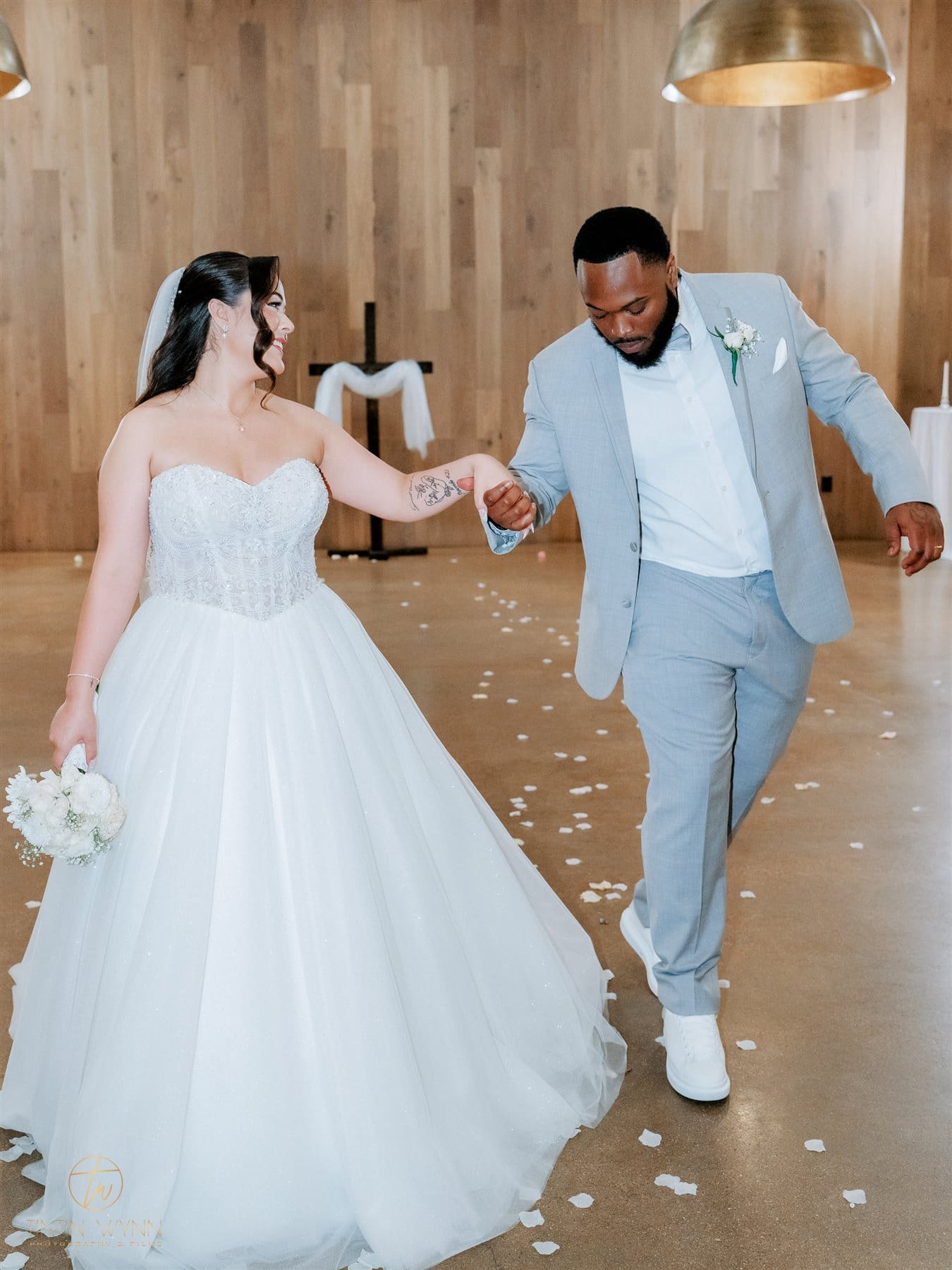
Copying someone else’s schedule without adjusting it. Another couple may have different locations, traditions, family groupings and priorities. Use examples for ideas, not as a finished plan.
Filling every minute. Leave realistic breathing room around preparation and transitions, especially when several people need to move together.
Assuming all portraits happen at once. Couple portraits, wedding-party photographs and family groupings have different needs. Discuss each with your photographer.
Forgetting the coverage end time. A planned exit or final dance needs to be coordinated with your photo and film team if you want it captured.
Treating the first draft as final. Your timeline should evolve as you confirm details with your venue and vendors.
Start your wedding timeline before every detail is decided
An early timeline gives you a clearer picture of what you are planning. Begin with what you know: your ceremony time, locations, whether you want a first look, and the moments that matter most.
From there, you can spot questions to ask, understand where the day feels crowded and have a more informed conversation about photography and film coverage.
I created the free Wedding Timeline Builder to help you take that first step. Answer questions about your plans and selected moments to build a personalized wedding photography timeline with recommended coverage hours. Enter your name, email and phone number to request your timeline by email. Then review it with your photographer and planner or coordinator so your final schedule reflects your venue, travel and vendor requirements.
Create your free wedding timeline
Your wedding deserves room for the beautiful portraits and the unplanned moments in between. Start with a thoughtful flow, and give yourself more space to enjoy the day you have been imagining.

